Electric Mobility
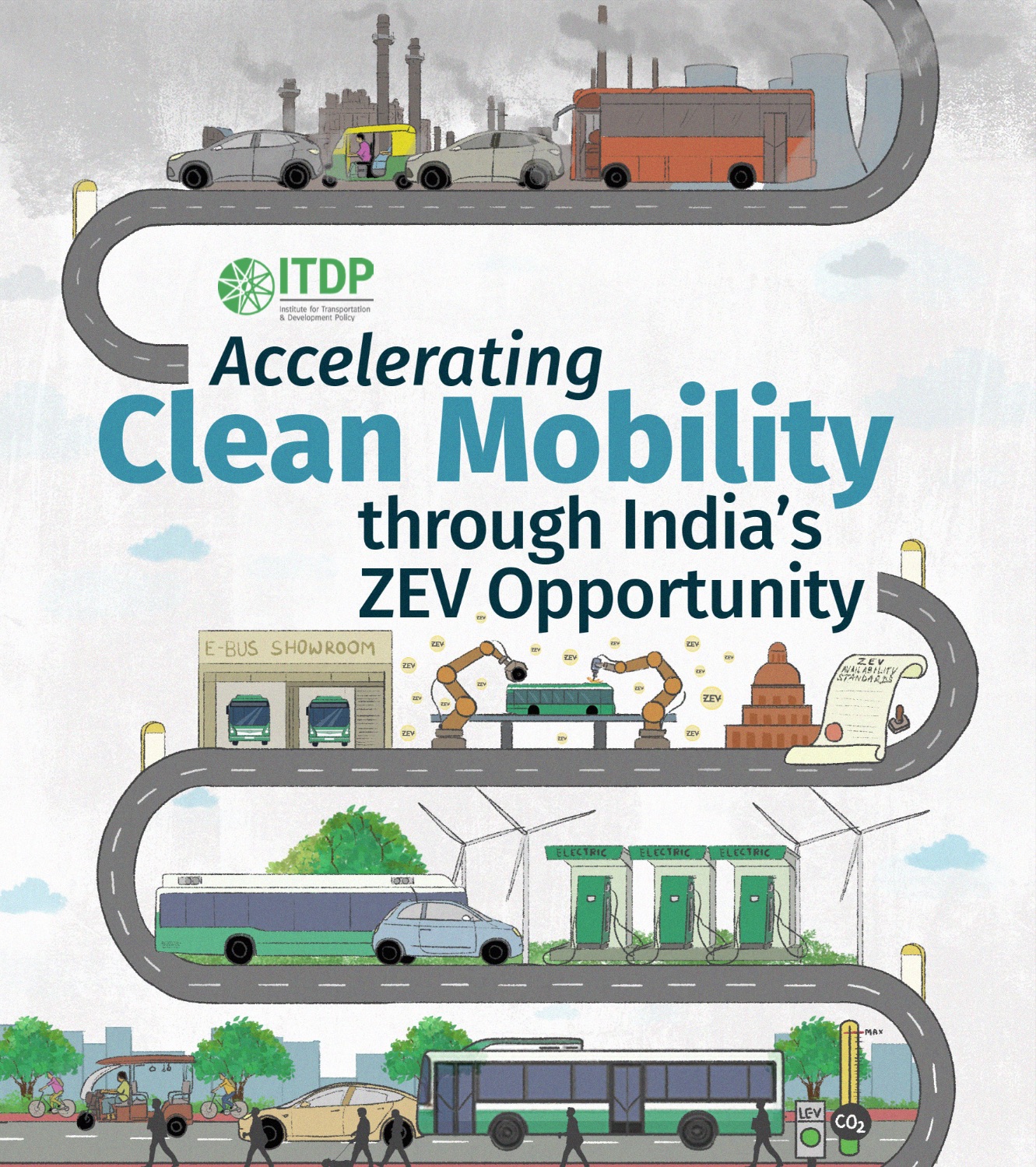
The benefits of electric vehicles in public transport over traditional ICEs cannot be overlooked to achieve India’s commitment to net-zero emissions by 2070.
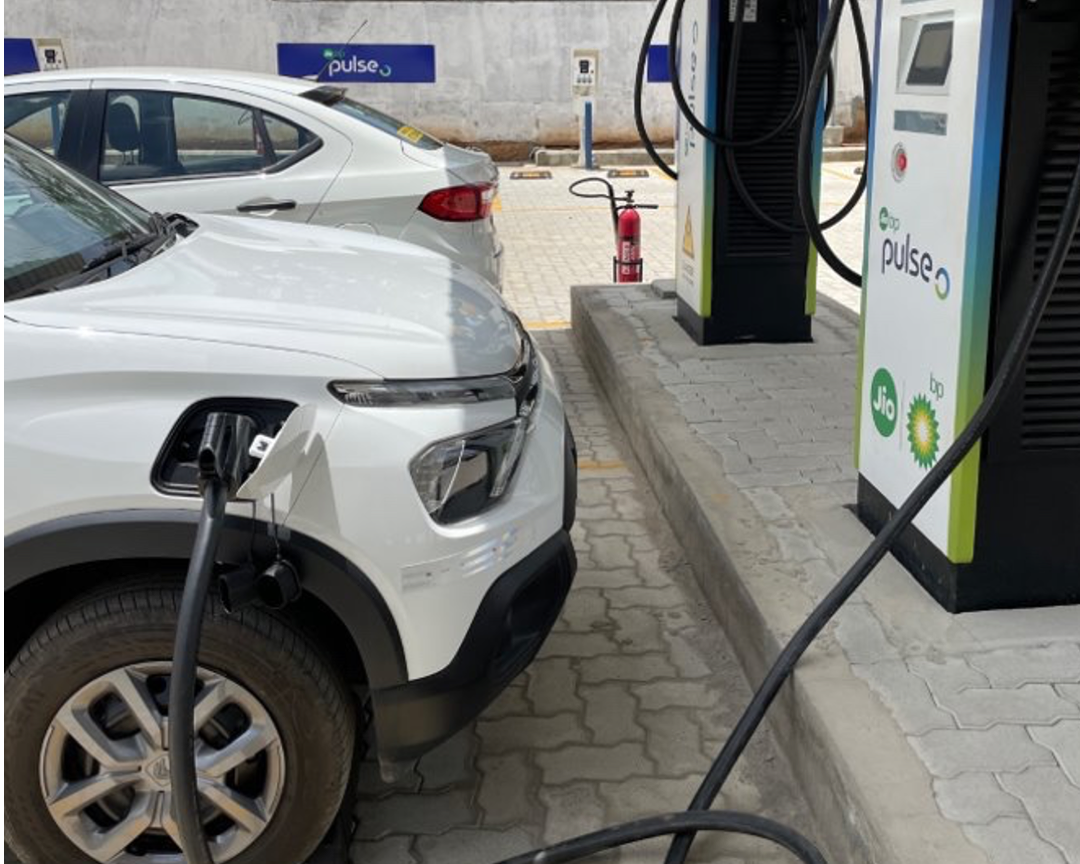
Indian cities have faced several challenges to secure the future of electrification albeit national procurement schemes (FAME) due to high capital investments, knowledge gap for its operations, and an inconducive policy environment.
We believe that creating Healthy Streets—streets that prioritise walking, cycling, and access to public transport—will not only improve road safety but also reduce greenhouse gas emissions, improve access to economic opportunities, and create a people-friendly city for all.
ITDP India has been supporting Chennai and Pune to accelerate the adoption of e-buses. An analysis of the performance of Pune’s e-buses shows that they are able to match or outperform ICE buses on various factors including cost of operations, energy costs,
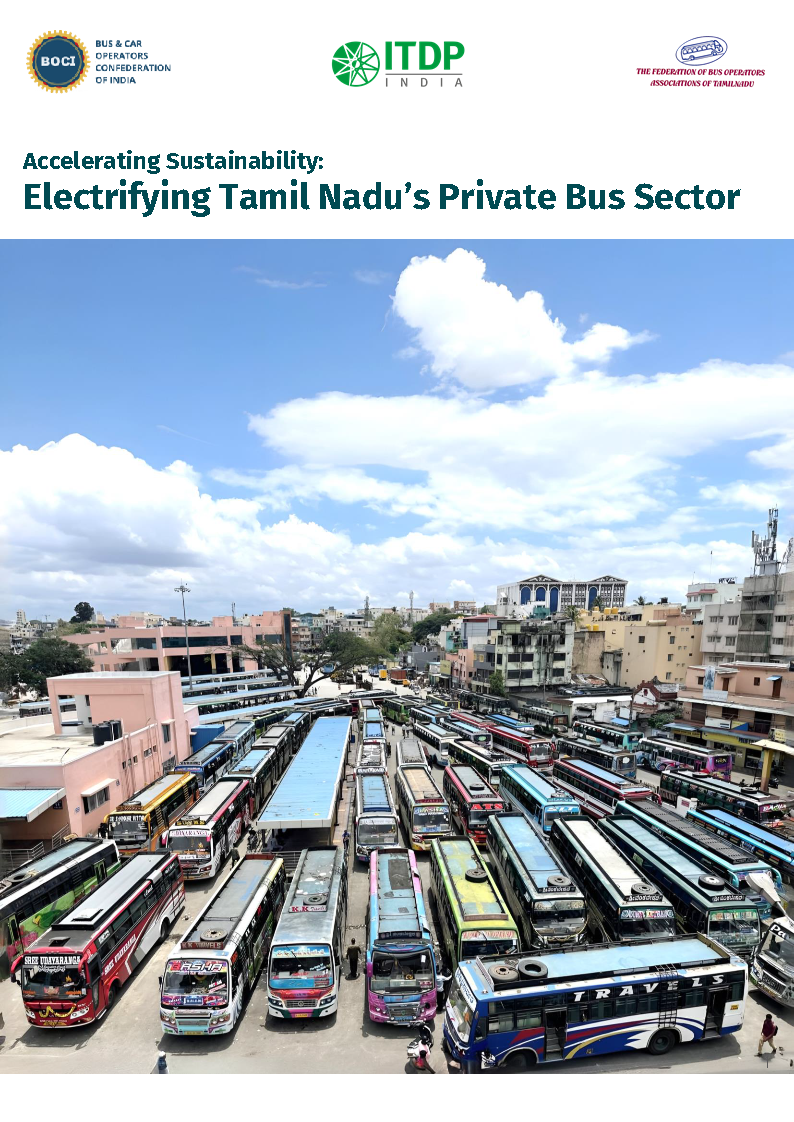
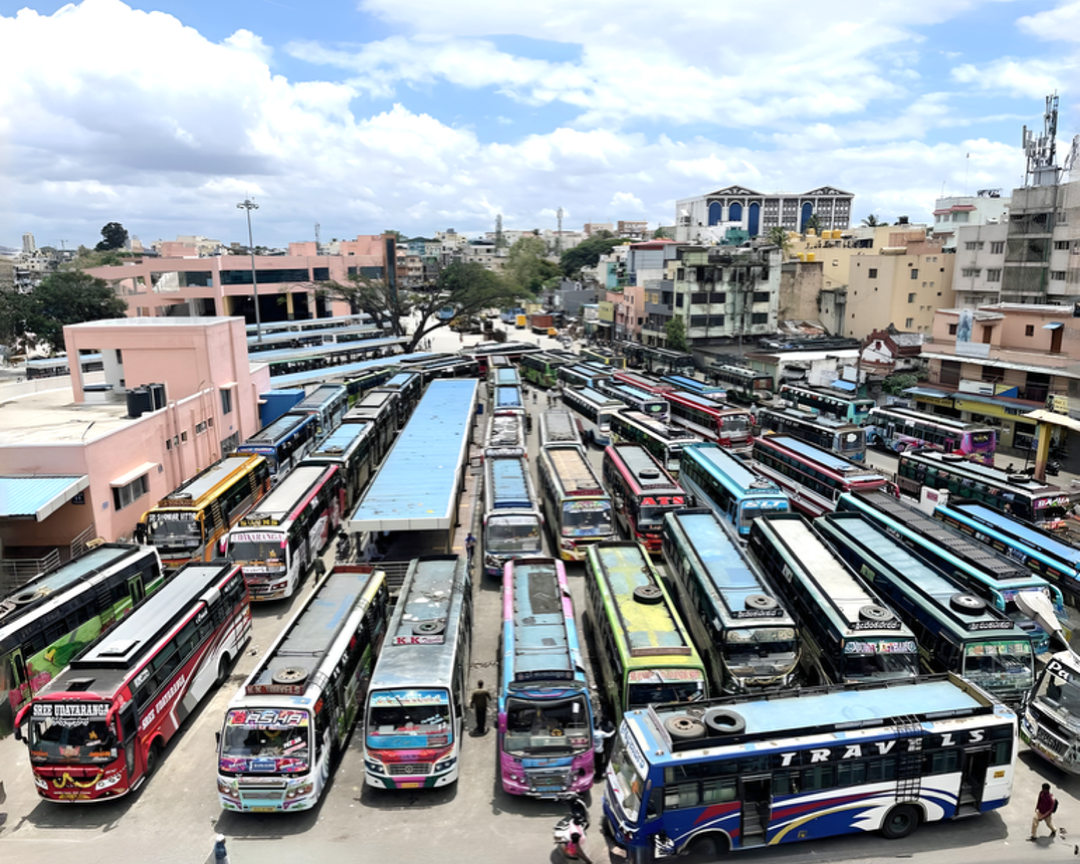
While progress in Chennai has been gradual, we have focused on state-level policy interventions to accelerate adoption. The recently revised Tamil Nadu EV Policy incorporated demand-based energy pricing to reduce costs, as well as incentives for charging infrastructure and privately owned & operated. This is a significant feat as over 95 % of buses in India are operated by the private sector that have historically lacked any incentives to transition.

Related Resources

Accelerating Sustainability: Electrifying Tamil Nadu’s Private Bus Sector

Nagpur Urban Streets Assessment

Chennai's Perception of Premium Bus Service

Steps to Sustainability
Related News

Chennai enroute to humanising streets through better design
March 15, 2019

Strides towards Smart Cities in India : The Complete Streets Framework Toolkit
February 26, 2019

Congestion Pricing: panacea to Mumbai’s transport woes
March 7, 2019