Inclusive Mobility
India’s economic growth stands to benefit significantly, with a potential 27% increase in GDP, by enhancing women’s participation in the labour force—a fact highlighted by the World Economic Forum (WEF). Despite the increasing number of women joining the Indian workforce, various socio-economic challenges hinder their progress. Studies across Indian cities underscore the persistent issue of harassment that women face during their daily commutes, impeding their professional and personal pursuits.
Cities have an urgent need to clean up their air and create more liveable cities for their citizens, and low emission zones can be one of their strategies to get there, alongside improving less polluting modes like walking, cycling, and public transport.
One significant hurdle in dismantling these barriers is mobility. The struggle to ensure safe, convenient, and affordable mobility for women has become an impediment to their progress. To address these challenges and amplify the voices of women, we actively engage with relevant stakeholders, driving public discourse on the subject.

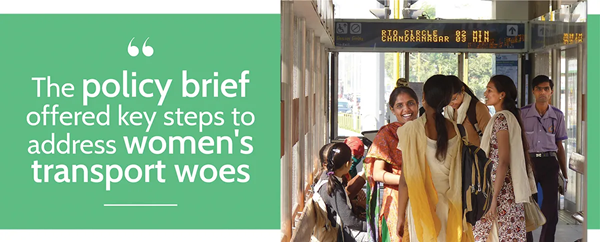
The policy brief titled ‘Women and Transport in Indian Cities’, developed in partnership with ITDP, Safetipin and UN Women, has illuminated critical issues like safety, comfort, convenience, and affordability that restrict women’s mobility. By proposing actionable policy reforms, this initiative resonated with international circles, providing a platform to advocate for Indian women’s transportation concerns.
Our primary objective is to weave sustainable, accessible, and secure urban transportation into the fabric of Indian cities and societies. Recognizing that women’s mobility is a pivotal force for driving positive change, we are committed to making a transformative impact on this vital aspect of societal progress.
We also conduct safety audits and create gender-centric design guidelines to support these endeavors. In partnership with Safetipin and Janki Devi Memorial College (JDMC), we conducted safety audits within a 10-minute walking radius of 16 bus terminals in Delhi.
Related Resources

Accelerating Sustainability: Electrifying Tamil Nadu’s Private Bus Sector

Nagpur Urban Streets Assessment

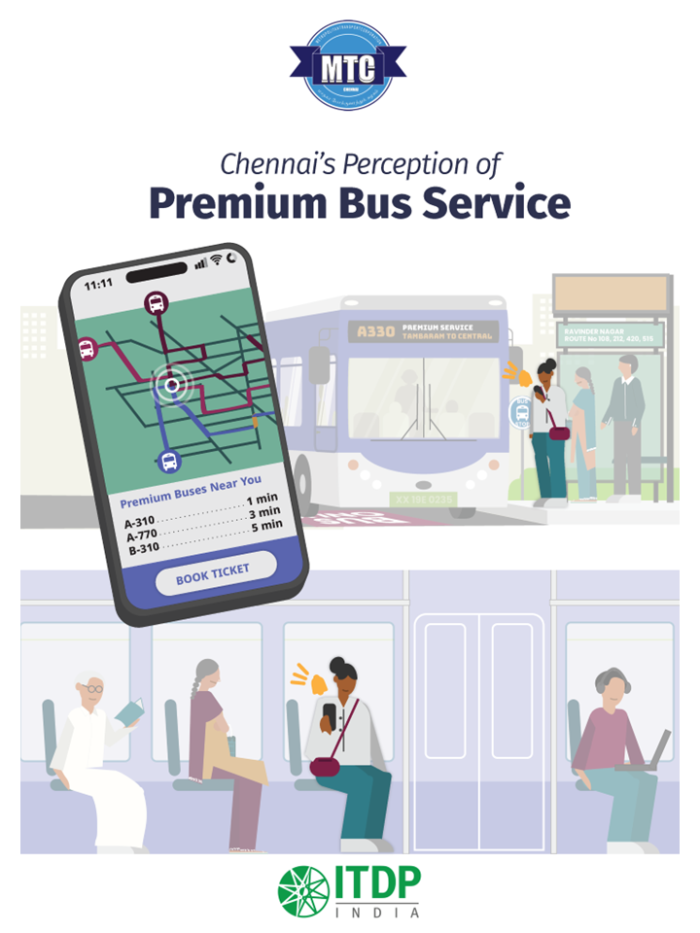
Chennai's Perception of Premium Bus Service

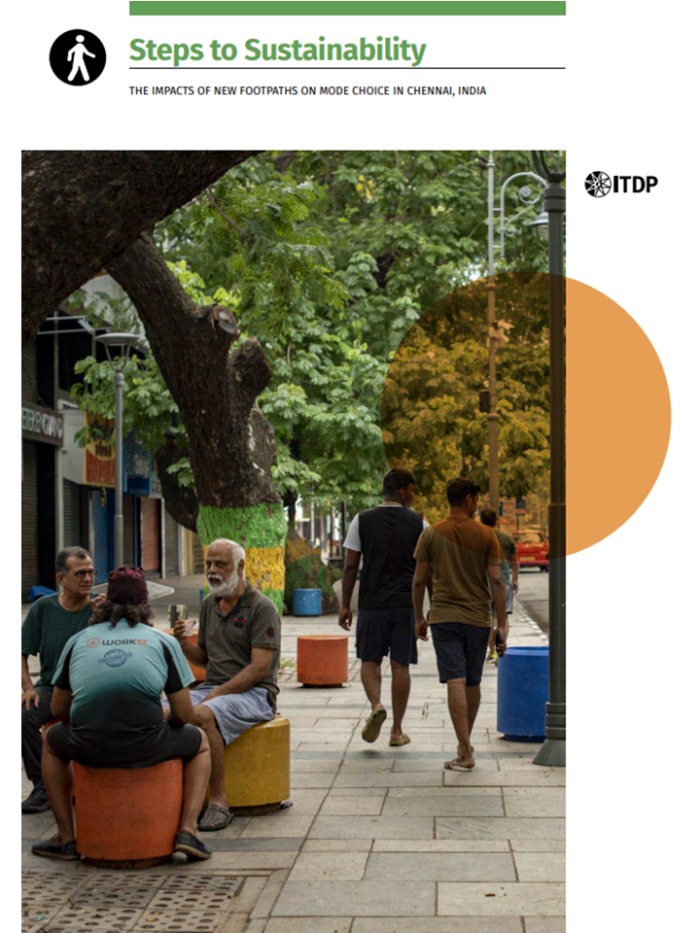
Steps to Sustainability
Related News

Chennai enroute to humanising streets through better design
March 15, 2019

Strides towards Smart Cities in India : The Complete Streets Framework Toolkit
February 26, 2019

Congestion Pricing: panacea to Mumbai’s transport woes
March 7, 2019