Poor air quality is one of the most pressing health challenges facing Indian cities today, and transport is a major contributor. More than a technical or regulatory issue, it is a deeply human one—transport emissions directly affect people’s health. At the same time, transport remains one of the fastest-growing sources of emissions. In cities like Delhi and even Pune and Pimpri Chinchwad, transport is a primary driver of air pollution, accounting for up to 50 per cent of local PM2.5 emissions and a massive 81 per cent of nitrogen oxides. As India continues to urbanise, this challenge is expected to grow.
Responding to this challenge means going beyond reducing emissions—it requires rethinking how cities prioritise people’s health in everyday mobility decisions. One way cities can do this is through Low Emission Zones (LEZs) or Healthy Air Zones (HAZs) – areas where the most polluting vehicles are restricted or charged. These measures control emissions, while creating a cleaner, safer environments where people can live, work, and move with less exposure to harmful pollution.
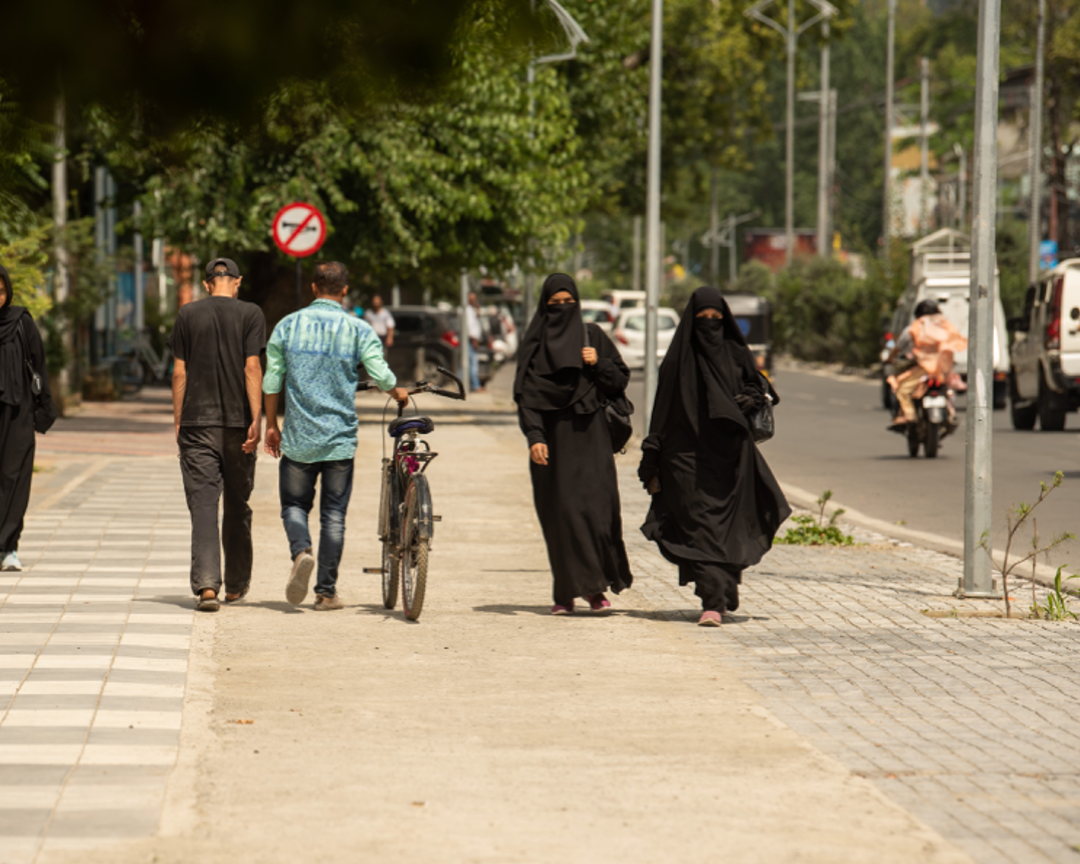
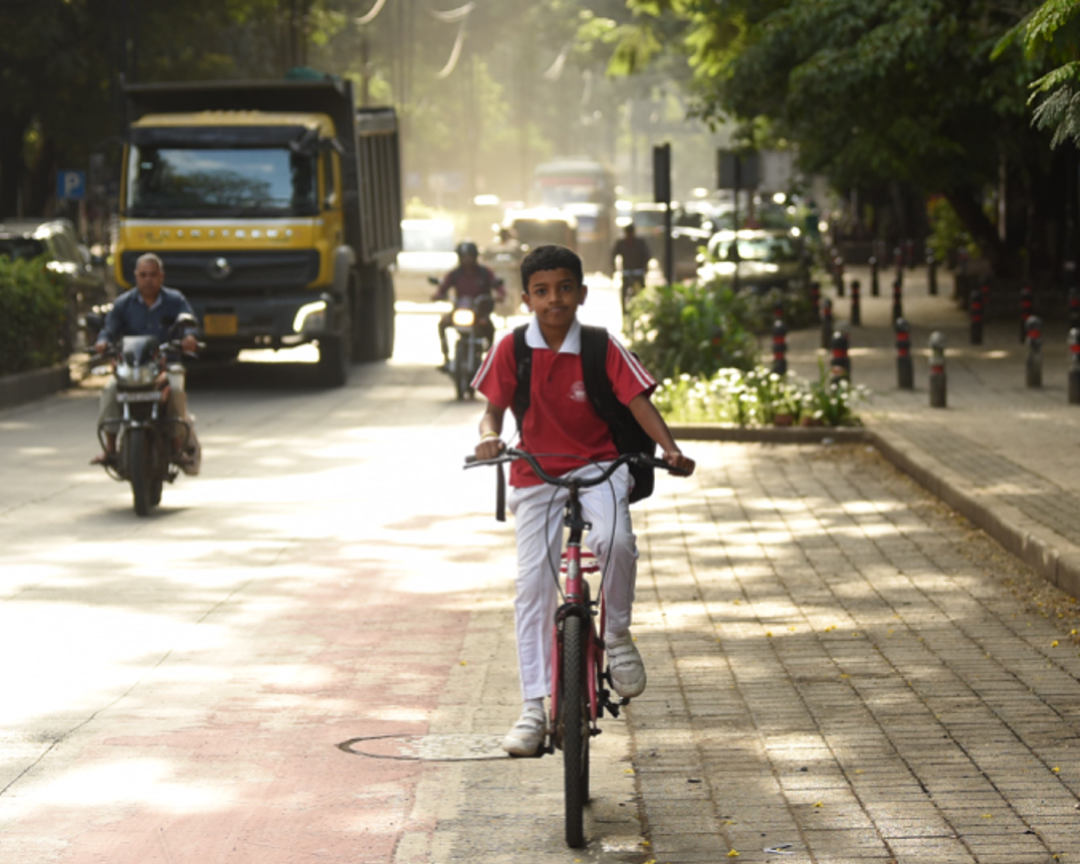
However, restricting polluting vehicles cannot work in isolation. These measures directly affect how people travel and must be supported by viable alternatives. This is why our work looks at LEZs as part of a broader shift – one that goes hand in hand with strengthens public transport, improves walking and cycling conditions, and supports the transition to cleaner vehicles through charging infrastructure and incentives. Together, these efforts ensure that cleaner air does not come at the cost of accessibility or mobility.
Public acceptance is critical. Concerns around fairness, affordability, and implementation are real, particularly when new restrictions are introduced. Through surveys, focus group discussions, and on-ground engagement, we work with cities to understand these concerns and shape solutions that are responsive to them.