Transit Oriented Development

The challenge of rapid growth of Indian cities lies not just in accommodating the surging demands but also in crafting sustainable and future-ready urban landscapes. Cities are faced with a crucial choice for managing growth. The first option leans toward low-density layouts, resulting in increased distances between work and residence—an approach that can inadvertently promote urban sprawl. The second option, known as transit-oriented development (TOD), seeks high-density layouts where residential, commercial, and other developments are strategically positioned within the city. TOD envisions vibrant urban spaces that facilitate living and working within walking distance of efficient rapid transit systems. This approach fosters inclusivity, catering to diverse age groups and income brackets. 

Cities like Mumbai and Ahmedabad have made notable strides in managing densification. For instance, Ahmedabad’s Development Plan 2021 envisions improved streets, enhanced public realms, and infrastructure upgrades for emerging residential zones. 

We believe that creating Healthy Streets—streets that prioritise walking, cycling, and access to public transport—will not only improve road safety but also reduce greenhouse gas emissions, improve access to economic opportunities, and create a people-friendly city for all. 

Why

Recognizing that successful and sustained change necessitates well-crafted policies, we collaborated with the Government of Jharkhand in 2017 to adopt an inclusive TOD policy. This policy prioritizes equitable city development, aiming for safe and accessible walking and cycling facilities integrated with reliable high-quality public transport. It envisions a future where the majority of the population resides and works within such well-connected urban zones. 

Transit-oriented development is more than just a concept; it is a proactive approach to tackle urban sprawl and traffic congestion. Embraced worldwide by planners and governments alike, TOD seeks to address congestion through improved public transport and integrated land use. By enhancing the quality of urban life, it shapes cities for a sustainable and promising future. 

Related Resources

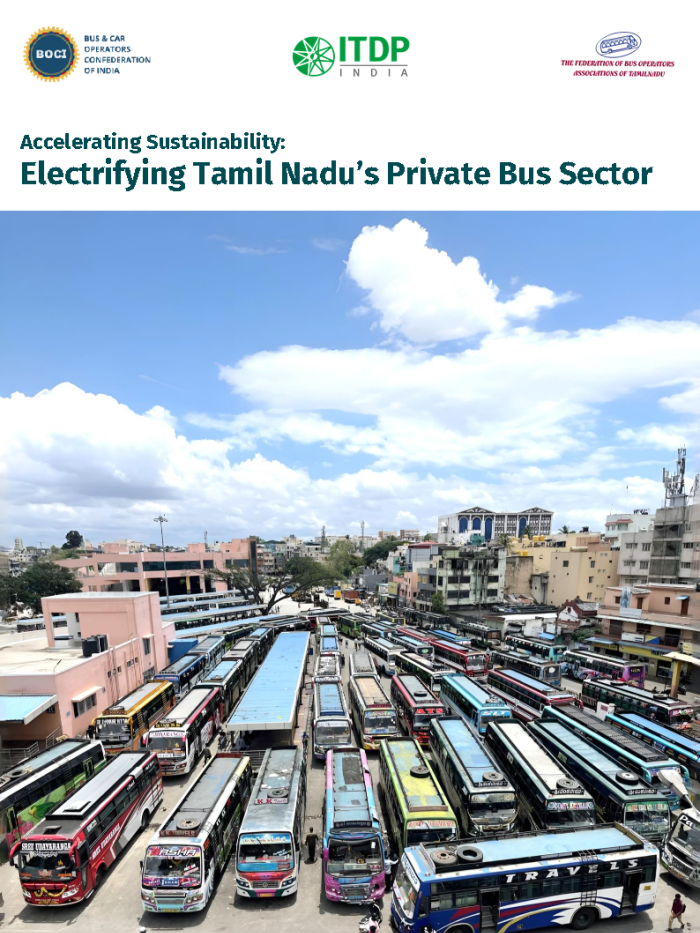
Accelerating Sustainability: Electrifying Tamil Nadu’s Private Bus Sector

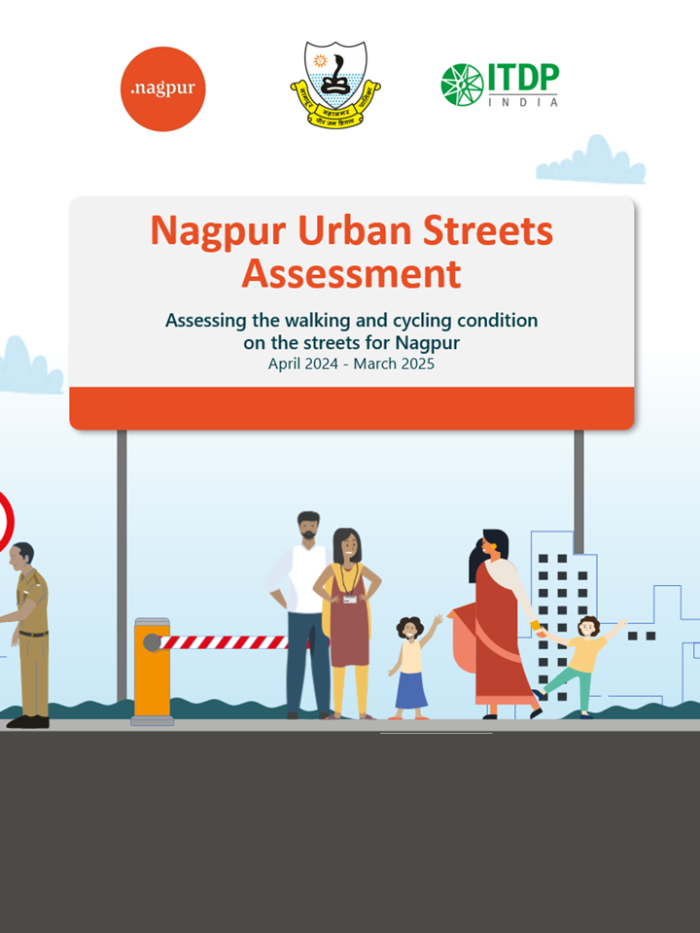
Nagpur Urban Streets Assessment

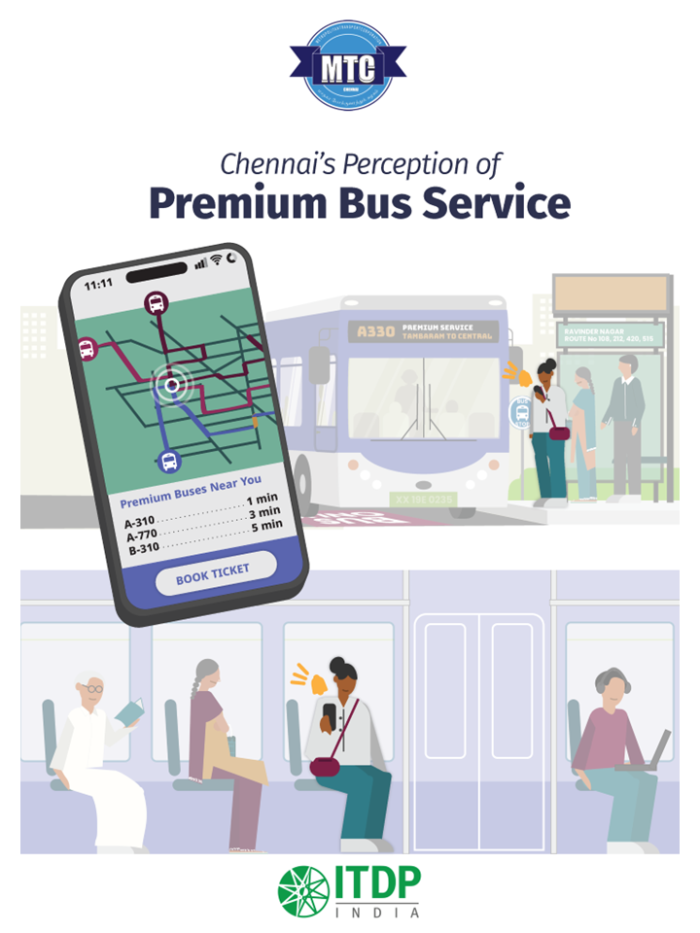
Chennai's Perception of Premium Bus Service

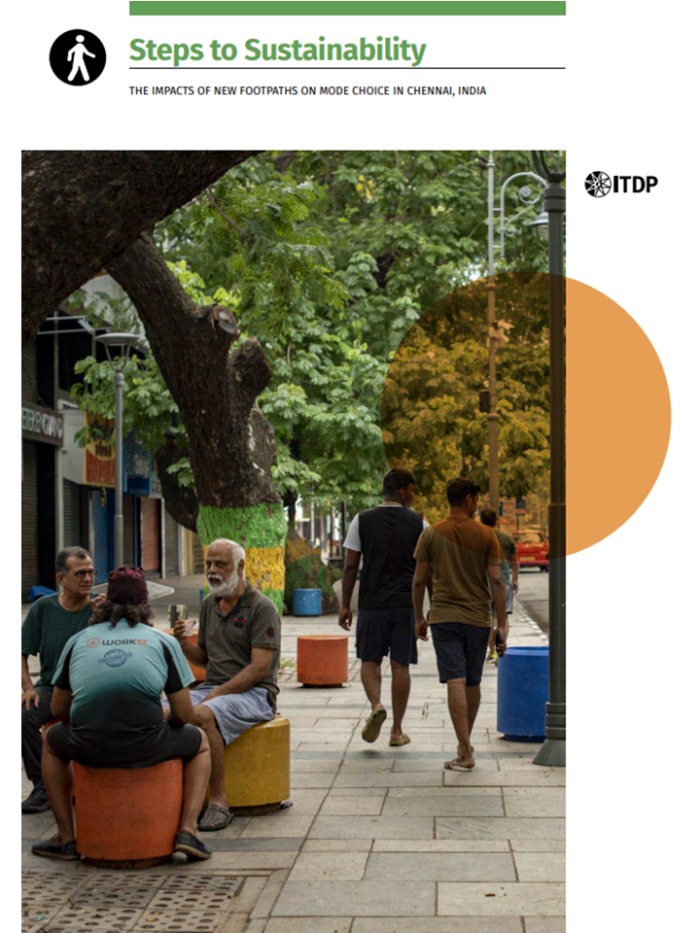
Steps to Sustainability

Related News

Chennai enroute to humanising streets through better design

March 15, 2019

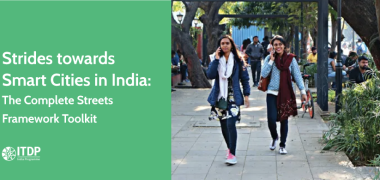
Strides towards Smart Cities in India : The Complete Streets Framework Toolkit

February 26, 2019

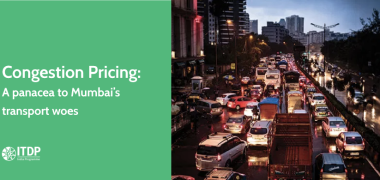
Congestion Pricing: panacea to Mumbai’s transport woes

March 7, 2019

Subscribe

Sign up for updates on our projects, events and publications.

Scroll to Top